
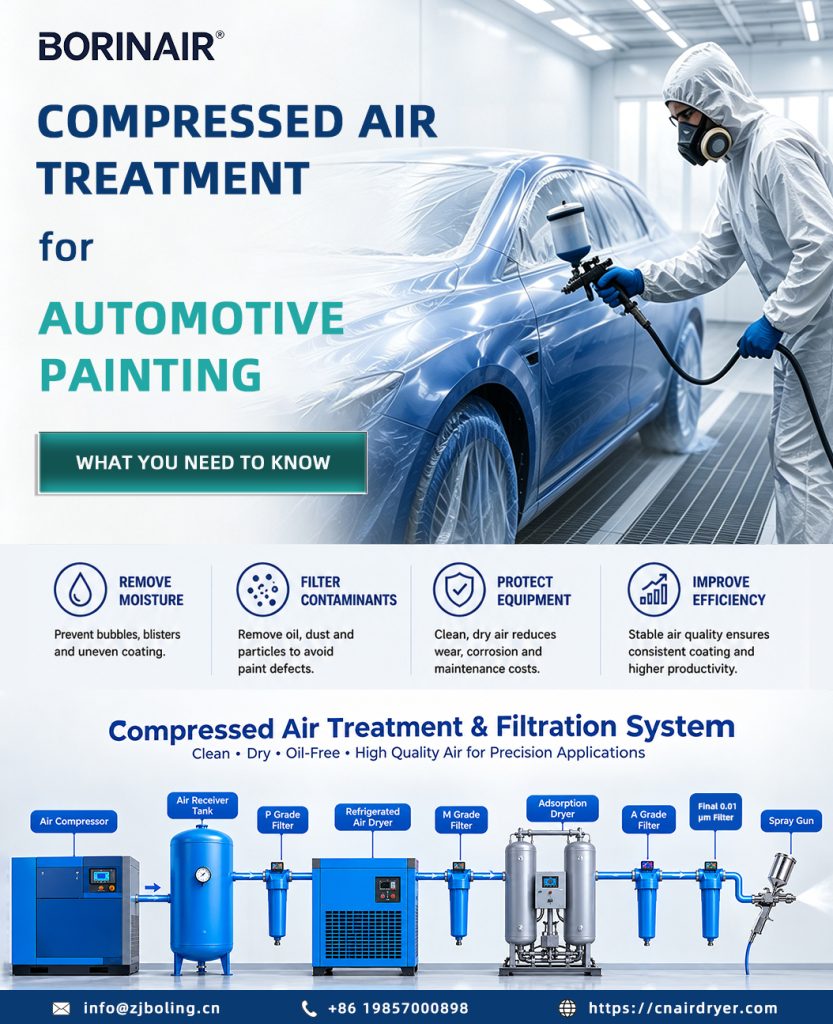
compressed air treatment for automotive painting plays a critical role in achieving a smooth, consistent, and high-quality paint finish. Moisture, oil, dust, and other contaminants in compressed air can cause paint defects, uneven coating, corrosion, and costly rework.
Why Clean Compressed Air Matters
During automotive painting, compressed air directly affects the quality of the spray process. Even a small amount of water or oil can create bubbles, spots, fisheyes, or uneven surfaces. A reliable air treatment system removes contaminants before they reach the spray gun and protects the final paint finish.
What Equipment Does a Painting System Need?
A complete compressed air system normally includes filters and an air dryer. The filters remove oil, dust, and solid particles, while the refrigerated air dryer reduces moisture by cooling compressed air and separating condensed water.
For applications that require a lower pressure dew point, a desiccant air dryer can provide deeper moisture removal. Choosing the right equipment depends on factors such as air flow, inlet temperature, working pressure, ambient conditions, and the required air quality.
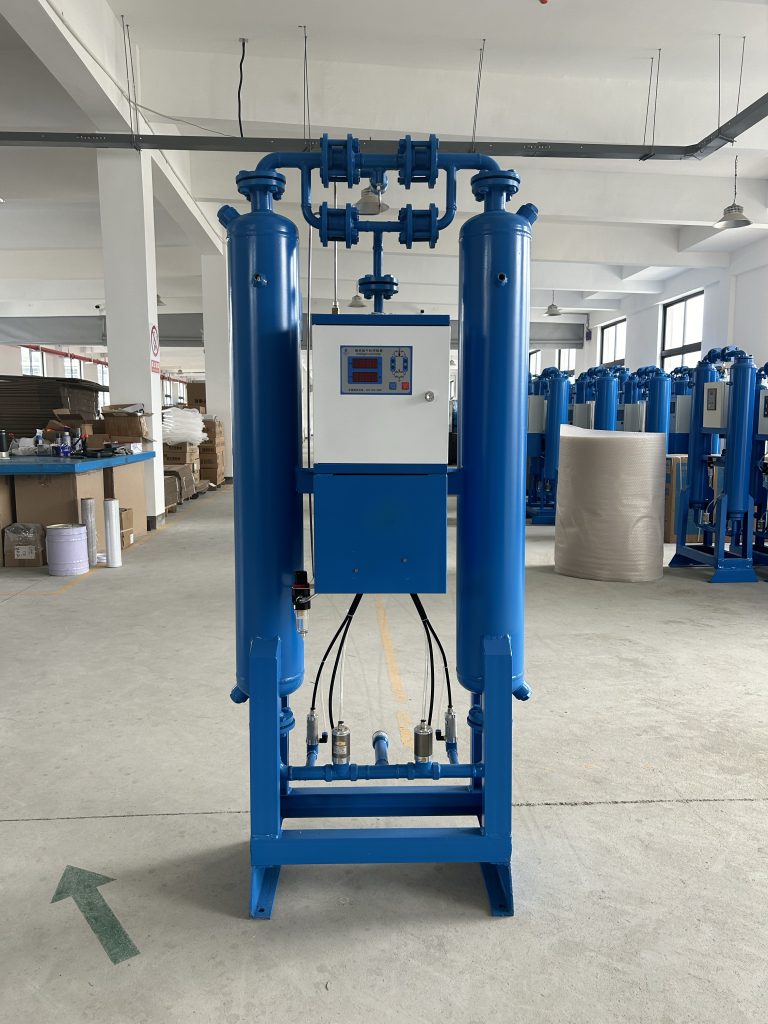
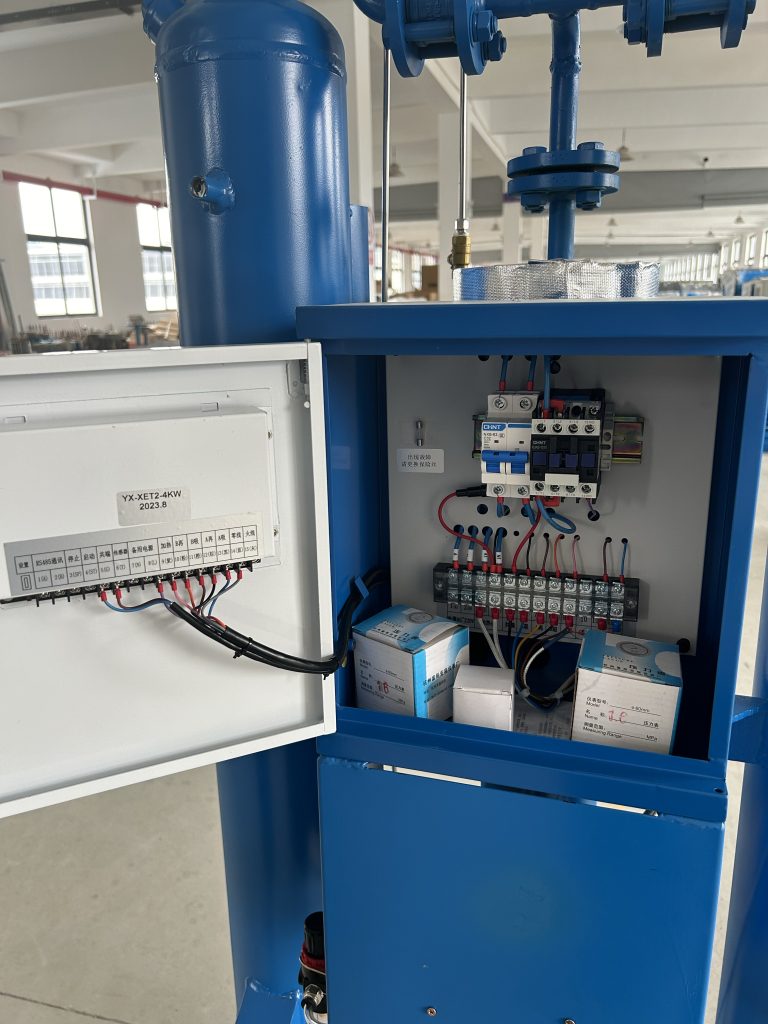
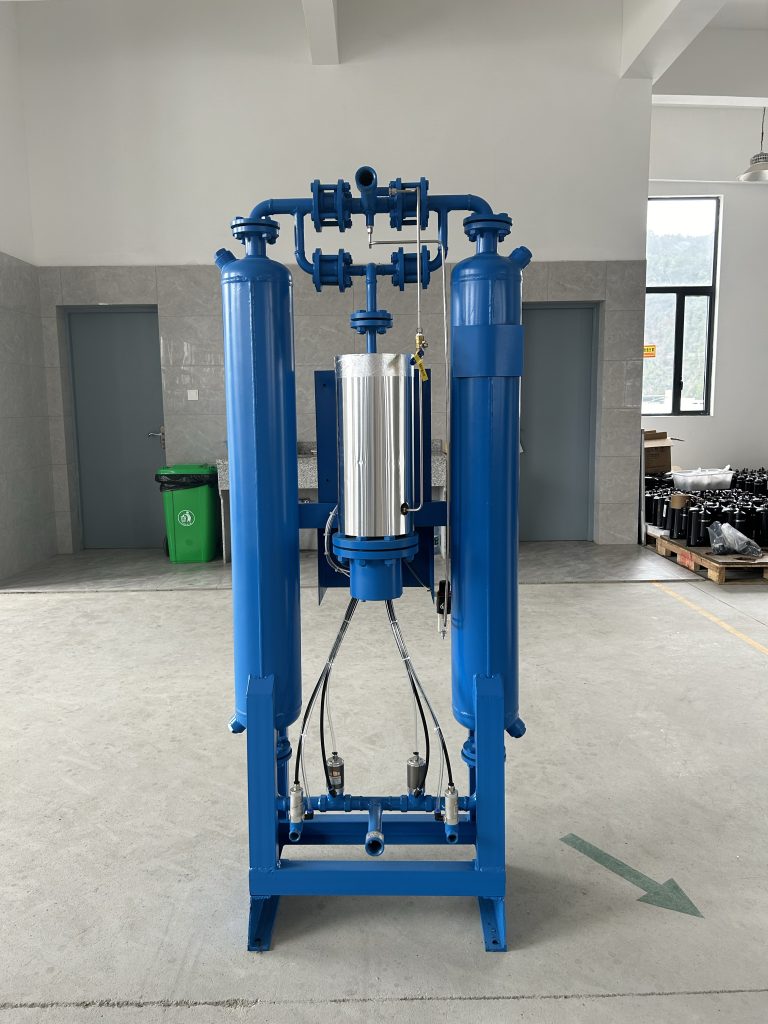
How to Build a Reliable Air System
compressed air treatment for automotive painting should focus on both air quality and system stability. Proper equipment selection, regular drainage, filter maintenance, and correct installation help prevent contamination and maintain consistent painting performance.
As an experienced compressed air treatment manufacturer, BORINAIR provides refrigerated dryers, desiccant dryers, and precision filters for different industrial applications. We can recommend a suitable air treatment solution based on your working conditions.
compressed air treatment for automotive painting helps manufacturers protect paint quality, reduce rework, and achieve more stable production.