
Introduction
When choosing a refrigerated air dryer, the type of heat exchanger is one of the most important factors affecting performance, energy efficiency, and long-term reliability.
The two most common designs are plate heat exchangers and tube heat exchangers. While both serve the same purpose—cooling compressed air and removing moisture—they differ significantly in structure, efficiency, maintenance, and overall performance.
In this article, we’ll compare plate heat exchangers and tube heat exchangers to help you determine which solution best fits your compressed air system.
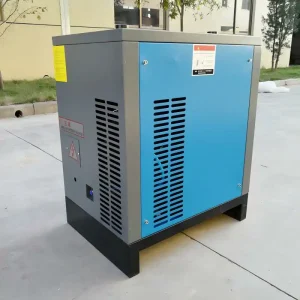
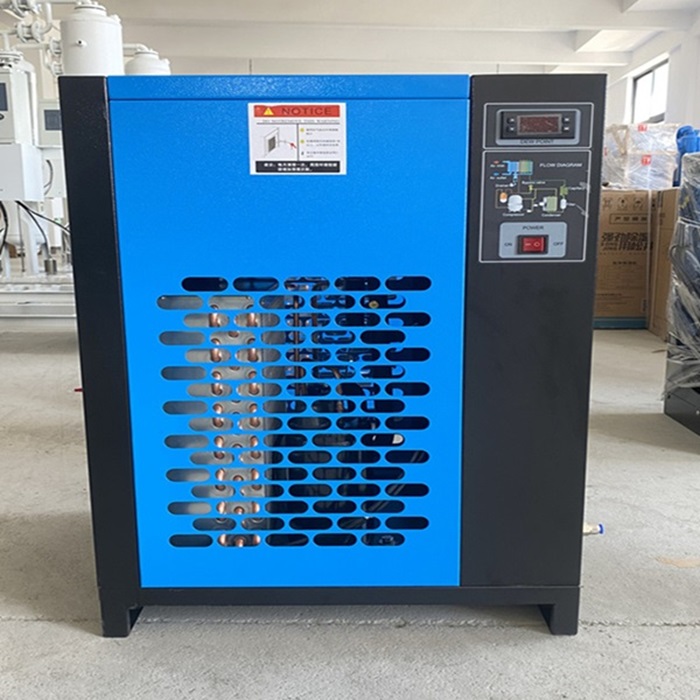
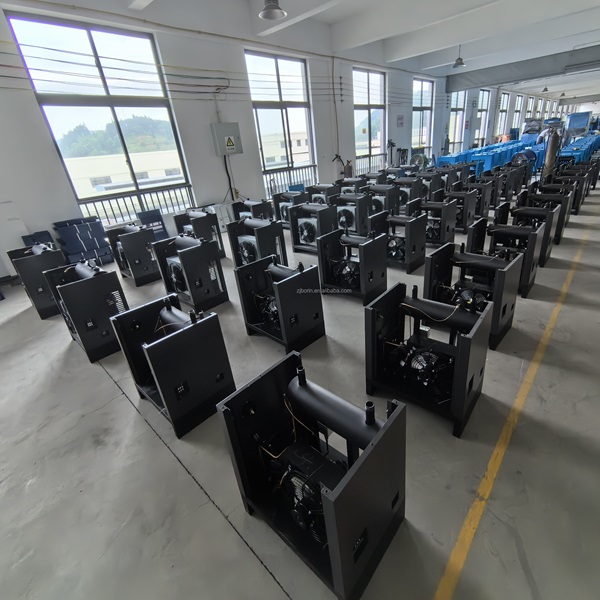
What Is a Plate Heat Exchanger?
- Brazed stainless steel plates
- Counter-flow heat transfer
- Compact design
- High heat transfer efficiency
- Widely used in modern refrigerated air dryers
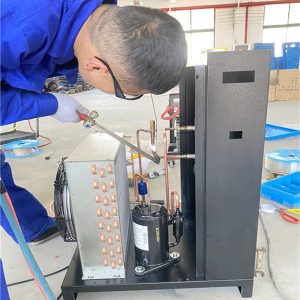
What Is a Tube Heat Exchanger?
- Copper tube or shell-and-tube construction
- Traditional technology
- Larger internal volume
- Lower heat transfer efficiency
- Still used in some industrial applications
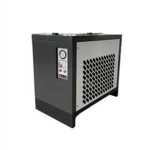
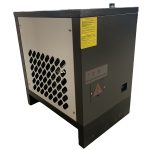
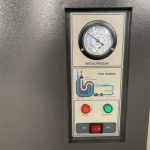
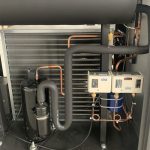
| Feature | Plate Heat Exchanger | Tube Heat Exchanger |
| Heat Transfer Efficiency | Excellent | Moderate |
| Size | Compact | Larger |
| Energy Consumption | Lower | Higher |
| Pressure Drop | Lower (with optimized design) | Usually higher |
| Heat Exchange Area | Large | Smaller |
| Installation | Easy | Requires more space |
| Weight | Lightweight | Heavier |
| Maintenance | Minimal | May require cleaning |
| Initial Cost | Slightly higher | Lower |
| Long-term Operating Cost | Lower | Higher |
Major advantages of plate heat exchanger
1. Heat Transfer Efficiency
A plate heat exchanger uses multiple thin stainless steel plates to create a much larger heat transfer surface than traditional tubes.
This design creates turbulent flow, improving heat exchange while reducing energy consumption.
2. Space Saving Design
One major advantage of plate heat exchangers is their compact size.
Compared with tube heat exchangers, plate heat exchangers occupy significantly less installation space, making them ideal for factories with limited equipment rooms.
3. Energy Efficiency
Because plate heat exchangers transfer heat more efficiently, the refrigeration compressor operates under a lighter load.
Benefits include:
- Lower electricity consumption
- Faster cooling
- Stable pressure dew point
- Reduced operating costs
4. Maintenance Requirements
Tube heat exchangers are more likely to accumulate scale and contaminants inside the tubes over time.
Plate heat exchangers generally feature:
- Sealed construction
- Less fouling
- Lower maintenance frequency
- Longer service life
How to Choose & Contact
Both plate heat exchangers and tube heat exchangers have their place in industrial compressed air systems.
However, for most modern applications, plate heat exchangers deliver higher efficiency, lower operating costs, and a more compact design, making them the preferred choice for refrigerated air dryers.
Whether you’re upgrading an existing compressed air system or selecting equipment for a new project, understanding these differences can help you make a more informed investment.

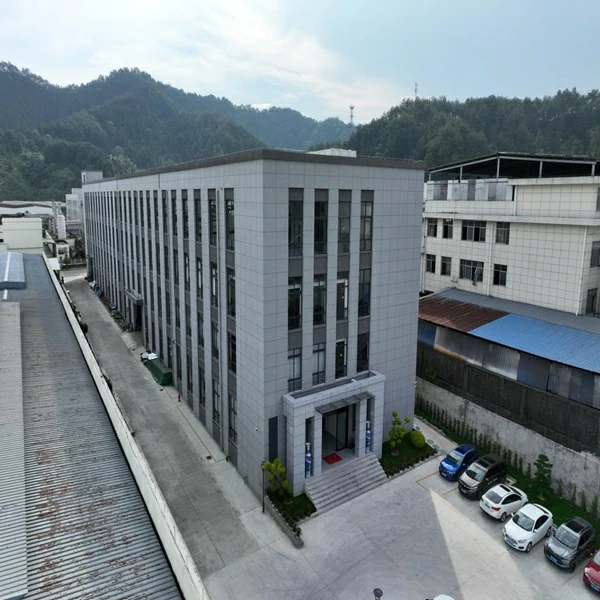
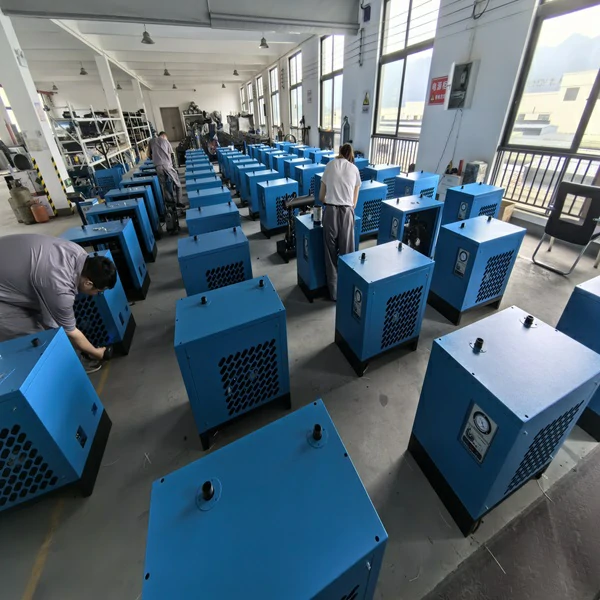
As a professional manufacturer, BoLing has over 22 years of experience in compressed air treatment solutions. Our main products include air dryers, air compressors, and filtration systems. Over the years, we have improved our technology step by step. And we continue to optimize product performance. Meanwhile, we offer both standard products and OEM services. In this way, we support partners in different markets worldwide.