
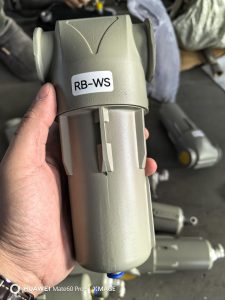
During the summer, with high temperatures, humidity, and frequent thunderstorms, a lot of factories are having issues with their air compressor after-treatment equipment, like frequent shutdowns, exceeding dew point limits, impure gas production, and rusting or water accumulation in the pipelines, which seriously affects production stability.
1.What are the main reasons why the heat dissipation of a refrigerated dryer gets worse in hot summer environments? During routine inspections, which parts should be the focus?
The main reason air-cooled dryers have reduced cooling in summer is that as the ambient temperature rises, the temperature difference in the condenser drops, greatly lowering heat exchange efficiency and causing the high-pressure load on the equipment to keep climbing.
Daily inspection focus:
1. Condenser fins: check for dust buildup or oil mist causing blockage;
2. Cooling fans: make sure they run smoothly, at normal speed, with no sticking or unusual noises;
3. Compressor discharge pressure: in summer, high pressure can easily trigger protection;
4. Machine room environment: ensure ventilation and avoid blocking equipment, which can create hot air circulation.
Standard practice: check fan operation daily and clean the fins once a week—this can greatly reduce high-temperature shutdown issues.
2.In the same high temperature and high humidity environment, what problems are dryers most likely to have? What key points should you focus on during routine moisture control inspections?
In summer’s high humidity conditions, the most typical issue with a dryer is incomplete regeneration of the adsorbent, causing the outlet dew point to keep rising. Hot, humid air contains a lot of moisture, so the adsorbent needs higher temperatures and more regeneration air to fully regenerate. Standard equipment settings often aren’t enough to complete the regeneration, which directly leads to insufficient air dryness.
Daily inspection focus:
1. Check if the regeneration air path is clear and whether the amount of regeneration air meets the requirements. Insufficient air flow is the main reason for regeneration failure;
2. Verify the regeneration heating temperature. If the temperature is too low, the adsorbent basically won’t regenerate at all.
3.In the summer, there’s a lot of moisture, and storage tanks and filters are also high-failure equipment. What are the key inspection items for these two types of equipment during summer checks?
Summer Focus for Air Tanks: Check Drainage and Safety
1. Make sure the bottom automatic drain valve is responsive and drains water promptly to avoid long-term water accumulation inside the tank.
2. Regularly test the safety valve’s performance. If it’s due, send it for inspection and calibration to prevent overpressure safety risks.
Summer Focus for Filters: Check Drainage and Safety
1. Keep the drain valve at the bottom of the casing clear, with no blockage or water buildup.
2. Keep an eye on the filter element pressure difference. During summer, moisture can make the filter resistance rise sharply, and abnormal pressure differences are a sign of trouble.
3. Check the O-ring seals. High temperatures can cause aging and deformation, leading to air leaks or sealing failure, so replace them regularly.
4.In summer, which parts or equipment in the aftertreatment system are most likely to fail due to poor heat dissipation?
1. The air dryer compressor often overheats and trips at high temperatures, which is the most common issue in summer;
2. The control box and PLC module of the desiccant dryer can overheat and malfunction due to high temperatures;
3. The analyzer on the nitrogen generator is prone to data errors and false alarms in hot conditions.
Welcome everyone to visit our facotry and explore the possibility of cooperation
TEL:+86 19857000898
Contact email:xuhaitao@zjboling.cn
Address:No. 6, Chihuai Road, Kaihua, Quzhou City, Zhejiang Province,China