
1. Core role: Health, safety, and quality assurance
✅ Oil free compressed air technology:
Dry oil-free air compressors provide 100% oil-free and pollution-free compressed air, avoiding secondary contamination of food by lubricating oil and meeting international hygiene standards such as FDA and HACCP. For example, in carbonated beverage filling, oil-free air compressors can safely inject carbon dioxide to ensure product purity.
✅ Accurate humidity control:
Freezing and adsorption dryers control the dew point of compressed air at -40 ℃ to 3 ℃ to prevent microbial growth caused by moisture condensation during packaging or processing, and extend the shelf life of food. For example, in the drying process of milk powder, dry air can avoid clumping problems and maintain the flowability of the powder.
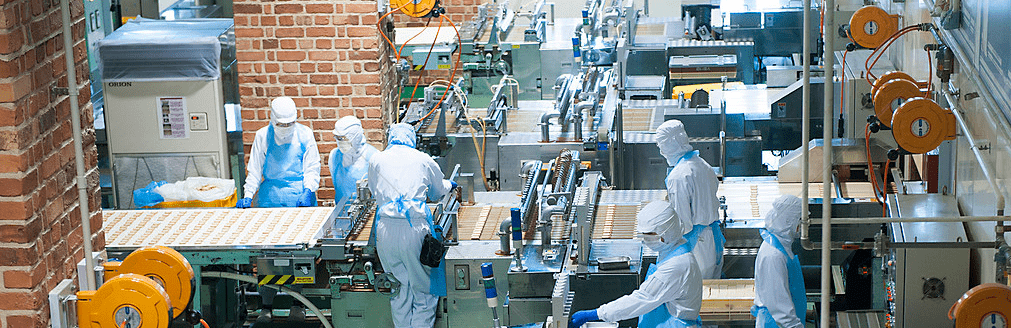
2. Key application scenarios
✅ Food packaging and filling:
Air compressors drive filling machines, sealing machines, and other equipment. Dry air is used to blow the inner walls of packaging containers, remove impurities and residual moisture, and ensure sealing (such as cans and bottled beverages).
✅ Pneumatic conveying and mixing:
Using compressed air to achieve pneumatic transportation of food raw materials (such as flour and sugar powder), reducing mechanical contact pollution; Simultaneously used in mixing equipment to evenly mix raw materials (such as chocolate slurry).
✅ Low temperature drying and sterilization:
Combined with vacuum drying technology, low-temperature air dryers are used for the production of fruit and vegetable crisps and freeze-dried foods, retaining vitamins and color; High temperature dry air is used for surface sterilization of equipment to meet the requirements of a sterile workshop.
3. Technological Innovation and Industry Trends
✅ Intelligent and energy-saving upgrades:
The energy efficiency level of the permanent magnet variable frequency air compressor meets the national first-class standard, with an energy saving of over 30%; IoT technology monitors device status in real-time, optimizes operating parameters (such as pressure and humidity), and reduces energy consumption.
✅ Green production demand:
Food companies are accelerating the adoption of low-carbon equipment such as heat pump dryers to respond to the “dual carbon” policy and reduce carbon emissions. For example, a dairy company has reduced drying energy consumption by 40% through heat pump technology.
✅ Customized solutions:
Manufacturers develop specialized drying units for different food categories (liquid, solid, powder). A low dew point dryer specifically designed for bakeries prevents dough from fermenting and getting damp, while meat factories use high-temperature dryers to suppress bacterial growth.